




مرض السكري is a disease that develops when the blood glucose levels are high. Recognizing the early warning signs can help in obtaining swift diagnosis and management. Living in hot countries can affect how diabetes symptoms present themselves and are perceived. Below is a list of the top ten diabetes warning signs one might experience, with a focus on how these symptoms might be misinterpreted in hot climates like Dubai. Consulting a diabetologist in Dubai can ensure proper diagnosis and management, tailored to the region’s unique climate conditions.
- Frequent Urination (Polyuria)
- Description: Excess glucose in the blood leads to increased urine production as the kidneys attempt to flush out the excess sugar.
- Significance: This is often one of the earliest symptoms of diabetes and can lead to dehydration if not addressed.
- Hot Climate Misinterpretation: Frequent urination might be mistaken for normal increased fluid intake and output due to heat, leading people to overlook this symptom.
- Increased Thirst (Polydipsia)
- Description: Due to frequent urination, the body loses more water, leading to increased thirst to replenish lost fluids.
- Significance: Persistent thirst despite adequate fluid intake is a crucial sign of diabetes.
- Hot Climate Misinterpretation: Increased thirst can easily be attributed to the hot weather and dehydration rather than being recognized as a sign of diabetes.
- Extreme Hunger (Polyphagia)
- Description: The body’s inability to utilize glucose for energy can lead to increased hunger as cells signal for more energy.
- Significance: Despite consuming more food, people with diabetes may still feel hungry and can experience unexplained weight loss.
- Hot Climate Misinterpretation: Changes in appetite can be mistaken for the body’s response to increased physical activity or altered eating patterns due to hot weather.
- Unexplained Weight Loss
- Description: When the body cannot use glucose for energy, it starts breaking down fat and muscle for fuel, leading to weight loss.
- Significance: This symptom is more common in Type 1 diabetes but can also occur in Type 2 diabetes.
- Hot Climate Misinterpretation: Weight loss might be attributed to increased physical activity, changes in diet, or heat-induced appetite changes, rather than diabetes.
- Fatigue and Weakness
- Description: Lack of glucose in the cells means the body has less energy to perform daily activities, leading to persistent fatigue.
- Significance: This is a common symptom that can significantly impact quality of life.
- Hot Climate Misinterpretation: Fatigue can be easily attributed to heat exhaustion or dehydration, common issues in hot climates, rather than a symptom of diabetes.
- Blurred Vision
- Description: High blood sugar levels can cause the lenses in the eyes to swell, leading to distorted vision.
- Significance: Blurred vision can be an early indicator of diabetes and requires immediate attention to prevent long-term eye damage.
- Hot Climate Misinterpretation: Blurred vision might be dismissed as a result of sun exposure, dehydration, or eye strain from bright light conditions.
- Slow Healing of Wounds and Frequent Infections
- Description: High glucose levels impair blood circulation and the immune system, slowing down the healing process and increasing susceptibility to infections.
- Significance: This can lead to chronic wounds and frequent infections, especially in the skin and urinary tract.
- Hot Climate Misinterpretation: Slow healing wounds can be mistaken for infections or skin issues due to heat, humidity, or insect bites, rather than a sign of diabetes.
- Tingling or Numbness in Hands and Feet (Neuropathy)
- Description: Prolonged high blood sugar levels can damage nerves, leading to sensations of tingling, numbness, or pain in the extremities.
- Significance: This condition, known as diabetic neuropathy, can become severe and affect daily functioning.
- Hot Climate Misinterpretation: Numbness or tingling might be attributed to heat-related issues like poor circulation from dehydration or prolonged periods of inactivity.
- Darkened Skin Patches (Acanthosis Nigricans)
- Description: Dark, velvety patches of skin, often found in body folds such as the neck, armpits, and groin.
- Significance: This is a common sign of insulin resistance, a precursor to Type 2 diabetes.
- Hot Climate Misinterpretation: These patches can be mistaken for skin changes due to sun exposure, heat rashes, or fungal infections common in hot, humid conditions.
- Irritability and Mood Changes
- Description: Fluctuating blood sugar levels can affect mood and mental function, leading to increased irritability and mood swings.
- Significance: Psychological symptoms are often overlooked but can be critical in the early detection of diabetes.
- Hot Climate Misinterpretation: Mood changes and irritability might be attributed to the discomfort of living in a hot climate, heat stress, or general fatigue from high temperatures.
How is diabetes diagnosed?
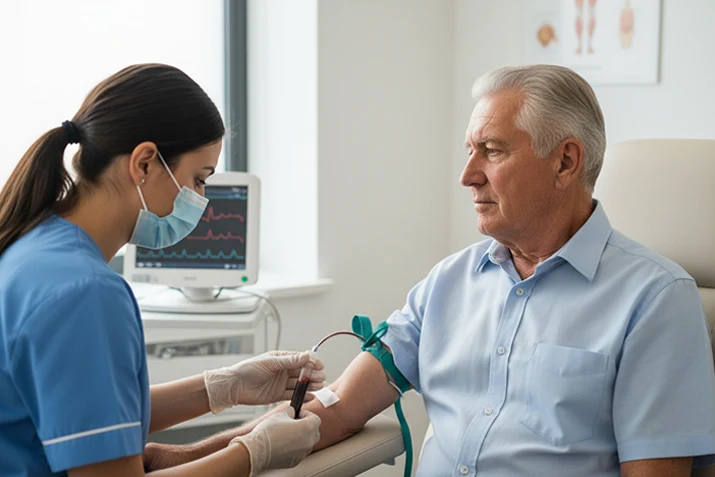
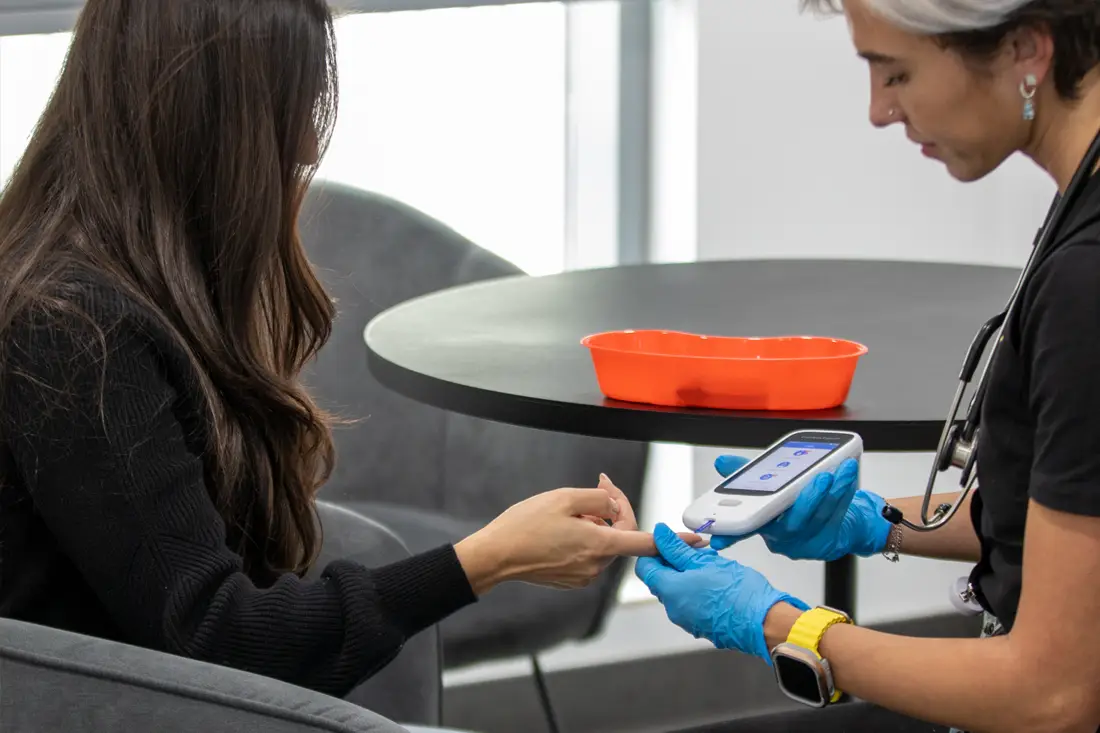
There are a variety of tests that a Doctor can perform to diagnose diabetes and prediabetes. The test your doctor may recommend will depend on whether you have symptoms or not or whether you are pregnant. metabolic.health has an on-site lab facility that allows comprehensive blood tests and scans to be conducted, providing patients with results in only 30 minutes. After receiving results, they will be reviewed by one of our doctors. A treatment plan will then be formulated in consultation with our expert team of dieticians and health coaches.
Below is a list of tests that can be performed to diagnose diabetes:
Hemoglobin A1c (HbA1c) test: This is the most common test for diagnosing diabetes. It measures the average blood glucose levels over the past 2 to 3 months by checking the percentage of glucose attached to the hemoglobin (a protein in red blood cells that oxygen).
Fasting Plasma Glucose (FPG) Test: The patient fasts overnight (at least 8 hours) before the blood sample is taken.
اختبار تحمل الجلوكوز عن طريق الفم (OGTT): The patient fasts overnight, and a fasting blood sample is taken. Then the patient drinks a glucose solution (usually 75 grams of glucose), and blood samples are taken at intervals (typically at 2 hours).
Random Plasma Glucose Test: Blood glucose is tested without regard to the time of the last meal.
Prevention of diabetes Complications
Early detection and intervention in treating diabetes offers a wide range of benefits that can significantly improve individual health and reduce healthcare costs. Here are some key benefits of early detection and prevention of diabetes:
- Preventing Complications: Early detection allows for timely intervention to delay or prevent the onset of diabetes-related complications such as cardiovascular disease, kidney damage, nerve damage, and vision problems. By managing blood sugar levels early, the risk of these complications can be significantly reduced.
- Improved Quality of Life: Lifestyle changes can improve overall health and quality of life. Through dietary modifications, regular physical activity, and weight management, better blood sugar levels can be maintained, reducing the impact of diabetes on daily life.
- Reduced Healthcare Costs: Early detection of diabetes can lead to substantial cost savings for individuals and healthcare systems. By avoiding the need for long-term diabetes management and the treatment of related complications, healthcare costs can be minimized.
- Empowerment and Education: Early detection provides the opportunity to understand your condition better and take control of your health. It allows for education about diabetes management, including monitoring blood sugar levels, understanding the impact of diet and exercise, and the potential need for medication or insulin therapy.
- Individualized Care and Support: Early detection enables healthcare providers to offer personalized care plans and support to individuals at risk of being diagnosed with diabetes. At metabolic.health this includes regular monitoring using innovative technology such as a continuous glucose monitoring (CGM) system to track your progress, access to diabetes educators remotely tracking your progress and providing support in real-time. The team at metabolic.health will develop a tailored treatment strategy based on individual needs and preferences.
Conclusion
Living in a hot environment like Dubai can lead to the misinterpretation of diabetes symptoms as normal reactions to the climate. Recognizing diabetes symptoms in context is crucial for prevention, early diagnosis, and management of diabetes. If you experience any of the symptoms discussed, especially in combination, it’s important to seek medical advice to rule out diabetes and receive appropriate care.
Moreover, early detection and prevention of diabetes plays a pivotal role in promoting more desirable health outcomes, reducing the burden of diabetes-related complications, and empowering individuals to lead healthier lives. In 2020 it was reported that over a million people in the UAE were living with diabetes, making it essential for individuals to undergo regular screenings and assessments for diabetes risk factors, as well as to adopt healthy lifestyle choices to prevent or manage the condition effectively.1
For more details on metabolic.health services, you can visit https://metabolic.health/ or call +971501341570
References
Shieb, M. et al. (2020) Growth of Diabetes Research in United Arab Emirates: Current and Future Perspectives, National Center for Biotechnology Information. Available at: https://www.ncbi.nlm.nih.gov/pmc/articles/PMC7475803/