Type 2 diabetes management and treatment
Insurance-covered, tech-enabled, hyperpersonalized
How is type 2 diabetes
diagnosed?
Glycated hemoglobin (hbA1C) test
This test indicates your average blood sugar levels over the past 2-3 months. An A1C level of 6.5% or higher on two separate tests suggests diabetes
Oral Glucose Tolerance Test (OGTT)
After fasting, you drink a sugary solution, and your blood sugar levels are tested periodically for the next two hours. A reading of 200 mg/dL (11.1 mmol/L) or higher after two hours confirms diabetes.
Fasting blood
glucose test
A blood sample is taken after an overnight fast. A fasting blood sugar level of 126 mg/dL (7.0 mmol/L) or higher on two occasions indicates diabetes.
Random blood
glucose test
A blood sample taken at a random time with a result of 200 mg/dL (11.1 mmol/L) or higher, along with symptoms of diabetes, can indicate diabetes.
Visit our facility
Book an appointment with leading diabetologists in Dubai
Blood tests and scans
Get results in 30 minutes through our real-time in-house labs. We conduct various diabetes-specific scans including retinopathy, neuropathy and ABI.
Coffee break
Relax while our lab processes your tests
Clinical consultation
Our experts analyze your biomarkers in depth and guide you through a personalized, science-backed treatment plan
Get onboarded
We will connect you to our app and provide you with a continuous glucose monitor
Continuous care
Physicians, dietitians, diabetes educators and coaches support you across four pillars: nutrition, exercise, sleep, and stress
Quarterly follow-ups
Ongoing support, scans and tests for optimal glucose control
How it works
Real results with the data to prove it
Our patients achieve vastly better outcomes across all metabolic health parameters in as little as 90 days and require less medications after 12 months of management with metabolic
Reduction in HbA1c
Improvement in HDL
Reduction in triglycerides
Reduction in BMI
Reduction in waist circumference
Reduction in LDL
Zakaria et al., Diabetes Technol Obes Med. 2025;1(1):171–83. doi:10.1089/dtom.2025.0020.
Risk factor: Type 2 diabetes risk based on
available epidemiological data
Obesity : 50%
Excess body weight is the most significant modifiable risk factor for Type 2 diabetes. Obesity, particularly central obesity, leads to increased insulin resistance.
Genetics : 17%
A strong family history of diabetes can increase individual risk, though lifestyle factors still play a crucial role.
Sedentary lifestyle : 24%
Physical inactivity is a major contributor to insulin resistance and weight gain, significantly increasing diabetes risk.
Older age : 20-25%
The risk of Type 2 diabetes increases with age, especially after 45, due to declining beta-cell function and increased insulin resistance.
Polyendocrine Metabolic Ovarian Syndrome (PMOS) : 5-10%
PMOS is associated with insulin resistance and metabolic syndrome, raising the risk of developing diabetes.
Ethnicity : Variable (up to 40% in high-risk populations)
Certain ethnic groups (e.g., South Asians, African Americans, Hispanics, and indigenous populations) have a higher genetic predisposition to Type 2 diabetes.
Gestational diabetes :
50% lifetime risk
Women with a history of gestational diabetes have a significantly higher risk of developing Type 2 diabetes later in life.
High blood pressure :
15-20%
Hypertension is closely linked to insulin resistance and metabolic syndrome, increasing diabetes risk.
Abnormal cholesterol levels : 10-15%
High LDL and low HDL cholesterol contribute to metabolic dysfunction, exacerbating insulin resistance.
Increased thirst and frequent urination
Increased
Hunger
Fatigue
Blurred vision
Slow-healing
sores
Frequent
infections
Areas of
darkened skin
Symptoms
The symptoms of type 2 diabetes can develop gradually and may include:
Patient journey
Reviews and ratings
Our patients say it better than us
Your care team
Doctors
Continuous Glucose Monitors (CGM)
Dexcom, Medtronic, Abbott
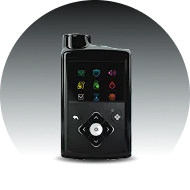
Insulin pumps
Omnipod, Medtronic
(and various other brands)
Smart insulin pens
Medtronic
(and various other brands)
Diabetes medications and therapeutics
Including Tzield
(exclusively available at metabolic)
Tailored
Supplements
An on-site pharmacy to cover all your needs
Our in-clinic pharmacy provides a complete range of diabetes management products, including:
Insurance and coverage
We accept major health insurance plans to ensure affordable treatment
No insurance? No problem!
Pay one monthly fee and access unlimited quality diabetes care starting from
FAQ
What is the best medicine for diabetes in the UAE?
The best diabetes treatment is highly personalized based on your unique biochemistry, lifestyle, and health goals. At metabolic’s Diabetes Clinic in Dubai, we create customized treatment plans while remotely monitoring your health to ensure the best outcomes. Common diabetes medications include:
- Metformin – First-line treatment for Type 2 diabetes
- SGLT2 inhibitors (e.g., Jardiance, Forxiga) – Help lower blood sugar and support weight management
- GLP-1 receptor agonists (e.g., Ozempic, Trulicity) – Aid in blood sugar control and weight loss
- DPP-4 inhibitors (e.g., Januvia, Galvus) – Improve insulin response
- Insulin therapy – For advanced cases of Type 2 diabetes
Which diabetes doctor in Dubai should I see?
A diabetes specialist in Dubai, also known as a diabetologist, is the best doctor to consult for diabetes care. At metabolic’s Diabetes Center in Dubai, our team includes endocrinologists, diabetologists, and metabolic health experts, all using cutting-edge technology for continuous glucose monitoring and precision treatment.

How much does diabetes treatment cost in the UAE?
Diabetes treatment in Dubai is covered by most insurance providers. If you don’t have insurance, metabolic offers subscription plans starting from 595 AED per month, covering consultations, continuous remote monitoring, and customized treatment plans.
Can I bring my diabetes medicine to Dubai?
Yes, but some diabetes medications require approval from the UAE’s health authorities. It’s best to check with the Dubai Health Authority (DHA) before traveling with prescription sugar medicine in the UAE.
What is the best tablet to lower blood sugar?
There is no one-size-fits-all approach to diabetes treatment. At metabolic’s Diabetes Clinic Dubai, we determine the best medicine for your specific condition based on real-time glucose tracking and lifestyle data. Common anti-diabetic tablets include:
- Metformin – First-line therapy for most patients
- Jardiance (SGLT2 inhibitor) – Helps with blood sugar control and cardiovascular health
- Trulicity (GLP-1 agonist) – Lowers blood sugar and supports weight loss
What is Type 2 Diabetes?
Type 2 diabetes is a chronic condition where the body becomes resistant to insulin or doesn’t produce enough, leading to high blood sugar levels. It is manageable through medication, lifestyle changes, and continuous monitoring.
How do I know if I have Type 2 diabetes?
Common symptoms include:
- Increased thirst & frequent urination
- Fatigue and blurred vision
- Unexplained weight gain or loss
- Slow healing wounds
What are the treatment options for Type 2 diabetes?
Metabolic provides a comprehensive diabetes management plan, including:
- Diabetes medicine in UAE, such as Metformin
- Personalized diet & lifestyle coaching
- Continuous Glucose Monitoring (CGM)
- Weight management support
Can I get Metformin in Dubai?
Yes, Metformin is available in Dubai as a prescribed medication for blood sugar control. Our diabetes doctors in Dubai can guide you on the right dosage and alternatives.
How can I book a diabetes specialist in Dubai?
You can book a consultation with a diabetic specialist doctor at metabolic through our website, phone call, or by visiting our clinic
How do I get a diabetes test in Dubai?
At metabolic, we offer comprehensive diabetes tests in Dubai, including:
- HbA1c test – Measures average blood sugar levels over 3 months
- Fasting Blood Sugar Test – Checks glucose levels after fasting
- Continuous Glucose Monitoring (CGM) – Tracks sugar levels in real-time
What is the best diabetes clinic in Dubai?
Metabolic Integrated Diabetes Center is the first tech-enabled diabetes clinic in Dubai based on a hybrid model, combining in-person care with remote patient monitoring to create a hyper-personalized diabetes treatment plan.
How much does Ozempic cost in the UAE?
The cost of Ozempic in Dubai varies based on dosage and pharmacy, typically ranging between 1,000 – 1,500 AED per month. At metabolic’s Diabetes Center Dubai, we monitor your response to Ozempic continuously to maximize effectiveness and minimize side effects.
Which is the best medicine for sugar control in Dubai?
Diabetes treatment at metabolic is not one-size-fits-all—our team customizes medication plans using AI-driven monitoring and real-time glucose tracking to ensure you receive the best treatment for your body’s needs.
Do I need a specialist for diabetes treatment?
Yes, managing diabetes requires a diabetologist or endocrinologist who specializes in blood sugar regulation, metabolism, and insulin function. At Metabolic’s Dubai Diabetes Center, our team provides expert care tailored to your unique needs.