

The Diabetes Protocol
Diabetes Treatment in Dubai
The Diabetes Protocol
Diabetes Treatment in Dubai
The Diabetes Protocol
Diabetes Treatment in Dubai
The Diabetes Protocol
Diabetes Treatment in Dubai
When should you see a diabetes doctor?
When should you see a diabetes doctor?

[01]
Blood sugar swings
Your blood sugar readings are fluctuating or staying high
[01]
Blood sugar swings
Your blood sugar readings are fluctuating or staying high
[01]
Blood sugar swings
Your blood sugar readings are fluctuating or staying high
[02]
Pregnancy planning
You're pregnant or planning to be, and want guidance on gestational diabetes
[02]
Pregnancy planning
You're pregnant or planning to be, and want guidance on gestational diabetes
[02]
Pregnancy planning
You're pregnant or planning to be, and want guidance on gestational diabetes
Diabetes
Diabetes
Diabetes
Know the early signs before they become a bigger problem.
Know the early signs before they become a bigger problem.
[03]
Insulin management
You need help managing insulin or other diabetes medication
[03]
Insulin management
You need help managing insulin or other diabetes medication
[03]
Insulin management
You need help managing insulin or other diabetes medication
[04]
Nerve & kidney signs
You're noticing early signs - nerve tingling, kidney concerns, or foot problems
[04]
Nerve & kidney signs
You're noticing early signs - nerve tingling, kidney concerns, or foot problems
[04]
Nerve & kidney signs
You're noticing early signs - nerve tingling, kidney concerns, or foot problems
What we treat
What we treat

Meet your diabetes doctors
Meet your diabetes doctors
Rather than pointing to a single “best” doctor, we match you with the specialist best suited to your specific type of diabetes and treatment goals.
Rather than pointing to a single “best” doctor, we match you with the specialist best suited to your specific type of diabetes and treatment goals.
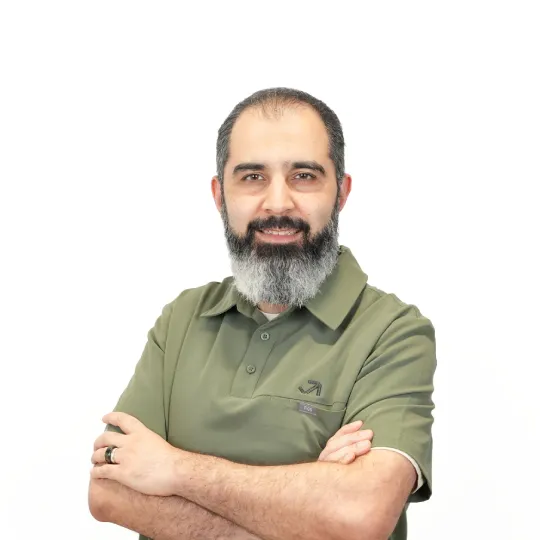
Dr. Yousef Said
Medical Director
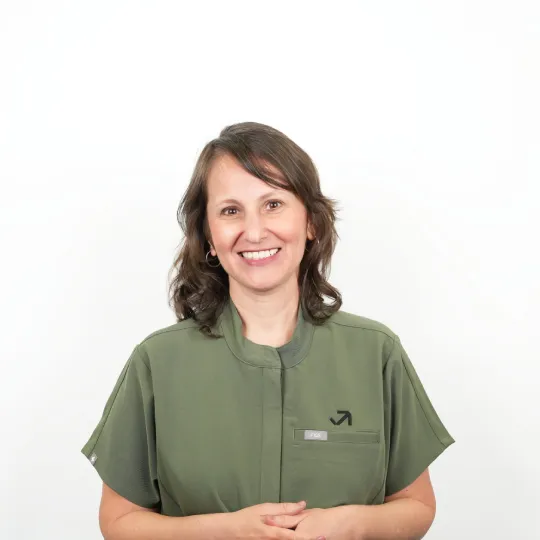
Dr. Cigdem Bas
Endocrinologist (Specialist)
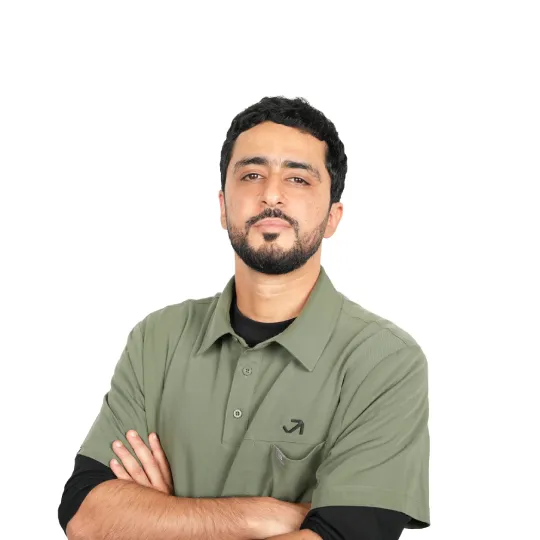
Dr. Faisal Albastaki
Endocrinologist (Specialist)
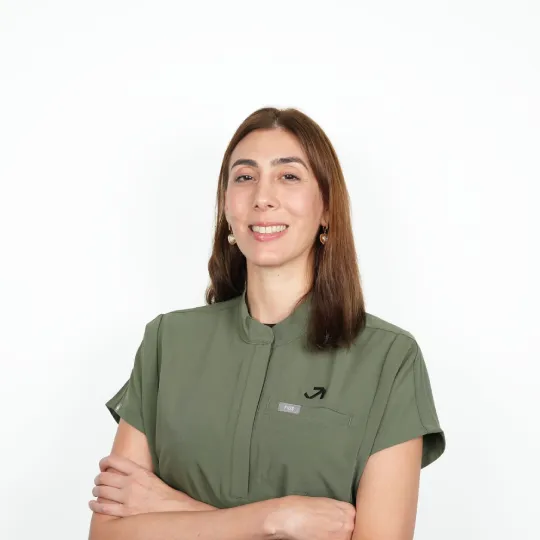
Dr. Milena Caccelli
Endocrinologist (Specialist)
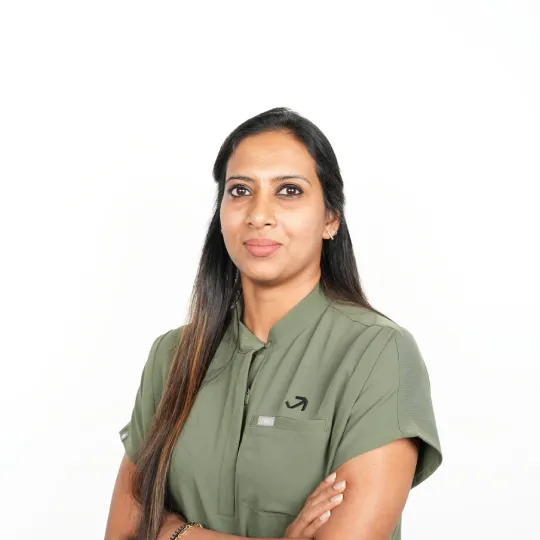
Dr. Anzi Azeez
Endocrinologist (Specialist)
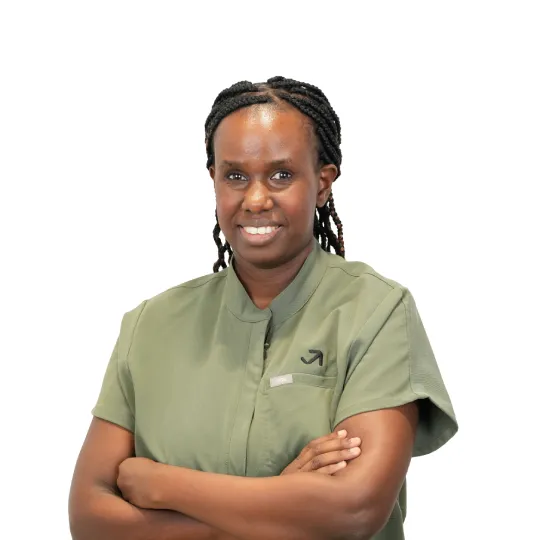
Dr. Haika Shoo
Endocrinologist (Consultant)
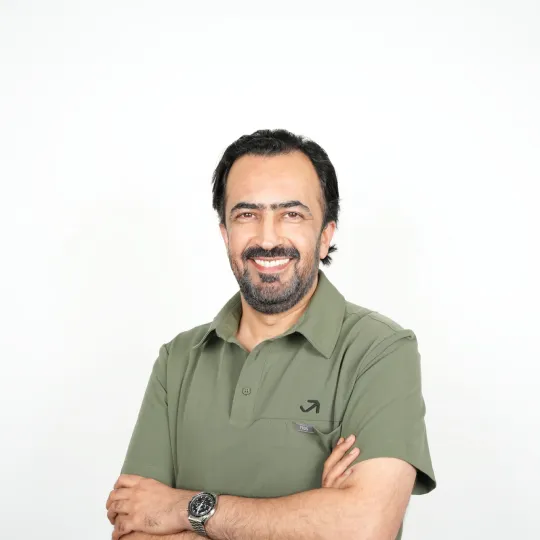
Dr. Syed Farrukh Shah
Endocrinologist (Consultant)

Dr. Ismail Emre Arslan
Endocrinologist (Specialist)

Dr. Joudy Kattan
Endocrinologist (Specialist)

Dr. Maryam Hosseini
Radiologist (Specialist)

Dr. Asiyeh Abdollahi
Ophthalmologist (Specialist)
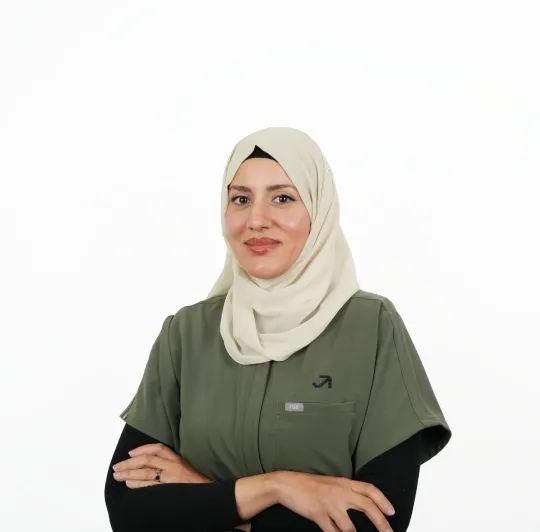
Dr. Hadeel Maksoud
Family Medicine Consultant and Diabetes Educator
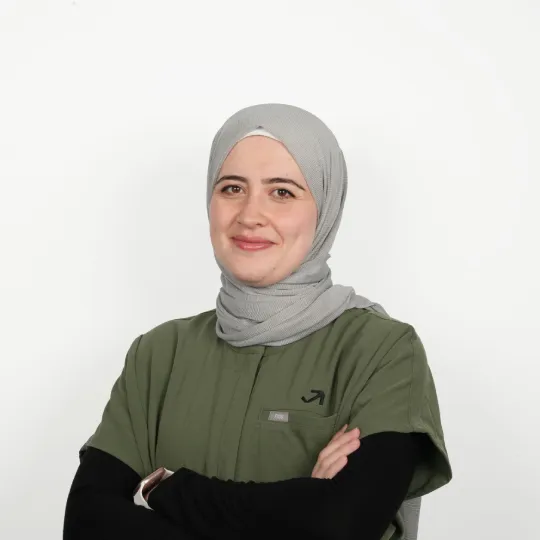
Dr. Fatima Tarboush
General Practitioner and Diabetes Educator
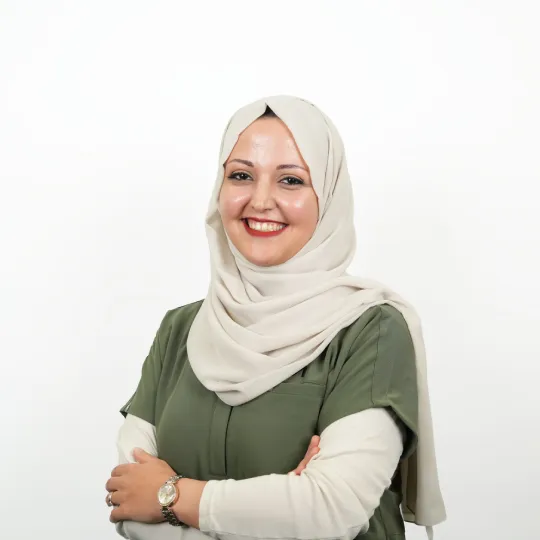
Dr. Nada Al Shadidy
General Practitioner and Diabetes Educator
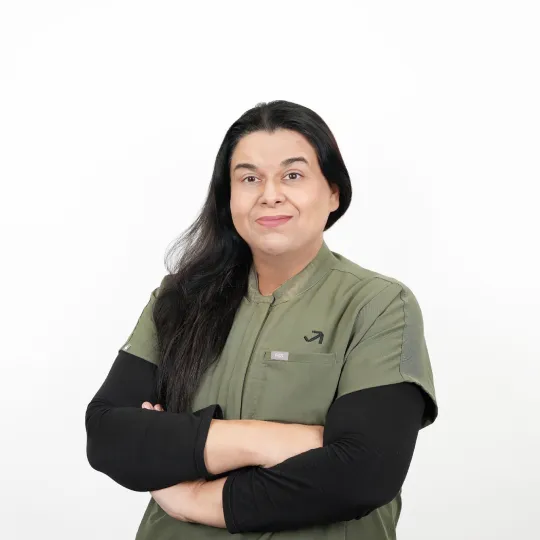
Dr. Tabassum Malik
General Practitioner and Diabetes Educator
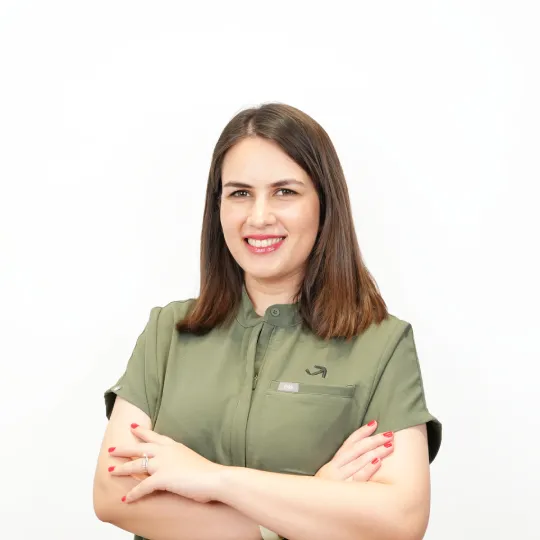
Dr. Layma Farooq
General Practitioner and Diabetes Educator
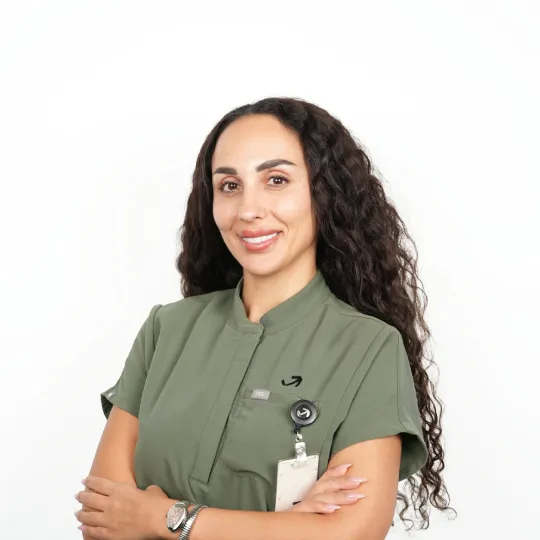
Dr. Naira Muradyan
General Practitioner for Endocrinology

Dr. Abdulrahman AlQaderi
General Practitioner
Dr. Yousef Said
Medical Director
Dr. Cigdem Bas
Endocrinologist (Specialist)
Dr. Faisal Albastaki
Endocrinologist (Specialist)
Dr. Milena Caccelli
Endocrinologist (Specialist)
Dr. Anzi Azeez
Endocrinologist (Specialist)
Dr. Haika Shoo
Endocrinologist (Consultant)
Dr. Syed Farrukh Shah
Endocrinologist (Consultant)
Dr. Ismail Emre Arslan
Endocrinologist (Specialist)
Dr. Joudy Kattan
Endocrinologist (Specialist)
Dr. Maryam Hosseini
Radiologist (Specialist)
Dr. Asiyeh Abdollahi
Ophthalmologist (Specialist)
Dr. Hadeel Maksoud
Family Medicine Consultant and Diabetes Educator
Dr. Fatima Tarboush
General Practitioner and Diabetes Educator
Dr. Nada Al Shadidy
General Practitioner and Diabetes Educator
Dr. Tabassum Malik
General Practitioner and Diabetes Educator
Dr. Layma Farooq
General Practitioner and Diabetes Educator
Dr. Naira Muradyan
General Practitioner for Endocrinology
Dr. Abdulrahman AlQaderi
General Practitioner
Superior
outcomes
Superior outcomes
Zakaria et al., Diabetes Technol Obes Med. 2025;1(1):171-83. doi:10.1089/dtom.2025.0020
Zakaria et al., Diabetes Technol Obes Med. 2025;1(1):171-83. doi:10.1089/dtom.2025.0020
Zakaria et al., Diabetes Technol Obes Med. 2025;1(1):171-83. doi:10.1089/dtom.2025.0020
We are the first facility globally to achieve ICHOM Level 2 accreditation for diabetes
We are the first facility globally to achieve ICHOM Level 2 accreditation for diabetes
We are the first facility globally to achieve ICHOM Level 2 accreditation for diabetes
reduction in HbA1c
reduction in HbA1c
reduction in HbA1c
improvement in HDL
improvement in HDL
improvement in HDL
reduction in triglycerides
reduction in triglycerides
reduction in triglycerides
reduction in waist size
reduction in waist size
reduction in waist size
of our prediabetic patients reversed their condition to a healthy clinical profile in just 3 months
of our prediabetic patients reversed their condition to a healthy clinical profile in just 3 months
of our prediabetic patients reversed their condition to a healthy clinical profile in just 3 months
How we treat diabetes
Baseline screening
comprehensive suite of labs and scans
Unrushed time
with your endocrinologist focused entirely on you
The lifestyle team will reach out
to discuss additional results and set a plan

Results in 40 minutes
we have a CAP-accredited, real-time, in-house lab
Guaranteed CGM
onboard seamlessly on the app, and connect your wearables too
Bespoke journey of quarterly visits
depending on your condition, age and gender
How we treat diabetes
Baseline screening
comprehensive suite of labs and scans
Unrushed time
with your endocrinologist focused entirely on you
The lifestyle team will reach out
to discuss additional results and set a plan
Results in 40 minutes
we have a CAP-accredited, real-time, in-house lab
Guaranteed CGM
onboard seamlessly on the app, and connect your wearables too
Bespoke journey of quarterly visits
depending on your condition, age and gender
How we treat diabetes
Baseline screening
comprehensive suite of labs and scans
Unrushed time
with your endocrinologist focused entirely on you
The lifestyle team will reach out
to discuss additional results and set a plan
Results in 40 minutes
we have a CAP-accredited, real-time, in-house lab
Guaranteed CGM
onboard seamlessly on the app, and connect your wearables too
Bespoke journey of quarterly visits
depending on your condition, age and gender
How we diagnose diabetes
How we diagnose diabetes
Measures blood sugar after 8+ hours without eating
Shows your average blood sugar over the past 2–3 months
Measures how your body processes sugar after a glucose drink
Measures blood sugar after 8+ hours without eating
Shows your average blood sugar over the past 2–3 months
Measures how your body processes sugar after a glucose drink
Alongside these standard tests, our uPTM-FetA panel and AI-powered muscle scan give us a level of organ-by-organ detail most clinics don’t test for.
Alongside these standard tests, our uPTM-FetA panel and AI-powered muscle scan give us a level of organ-by-organ detail most clinics don’t test for.
Diabetes affects
Diabetes affects
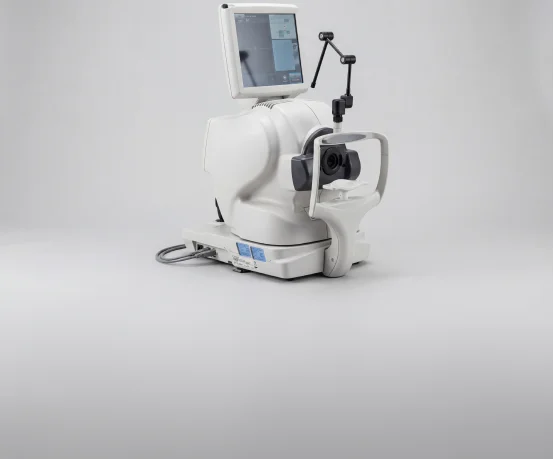
Chronic high glucose silently damages eye vessels, often detected only when vision is already affected. Our AI-powered retinal scans, including retinopathy and AMD screening, catch early changes, helping protect your vision before it’s too late.
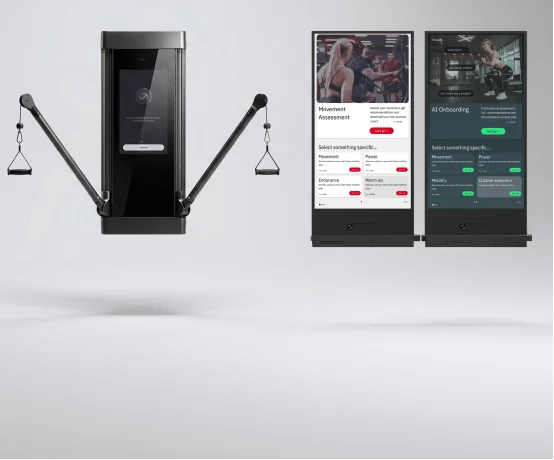

Your muscles


Your kidneys
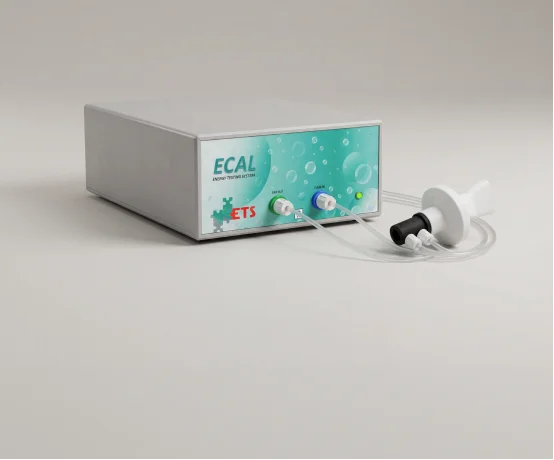

Your metabolism
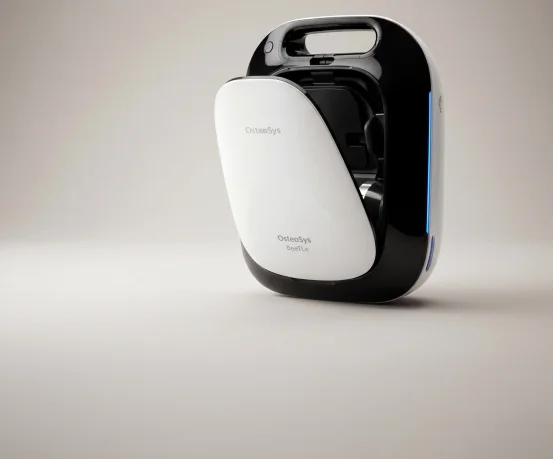

Your bone health


Your movement
Chronic high glucose silently damages eye vessels, often detected only when vision is already affected. Our AI-powered retinal scans, including retinopathy and AMD screening, catch early changes, helping protect your vision before it’s too late.
Your muscles
Your kidneys
Your metabolism
Your bone health
Your movement
So we measure your organs differently, evidence-based but far more advanced than the norm
So we measure your organs differently, evidence-based but far more advanced than the norm
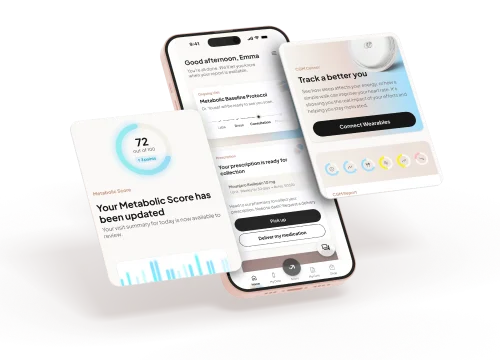
The Metabolic app
The Metabolic app
Connects your sensor to OneTwo Analytics for detailed reports
Tracks blood sugar, meals, sleep, activity, and stress in real time
Lets you chat with your entire care team between visits
Continuous lifestyle guidance turning insights into action
Dynamic treatment adjustments based on your data
Track your Metabolic Age and Metabolic Score after each visit
Connects your sensor to OneTwo Analytics for detailed reports
Tracks blood sugar, meals, sleep, activity, and stress in real time
Lets you chat with your entire care team between visits
Continuous lifestyle guidance turning insights into action
Dynamic treatment adjustments based on your data
Track your Metabolic Age and Metabolic Score after each visit
Continuous lifestyle guidance turning insights into action
Dynamic treatment adjustments based on your data
Track your Metabolic Age and Metabolic Score after each visit
The power of engagement in diabetes care
The power of engagement in diabetes care
12.4 u Total Delivered
Insulin Pump: Active
12 May 2026
4.67 U
50%
Bolus
32.9 U
43%
Basal
Basal Profile
4.00
3.00
2.00
1.00
0.00
07am
08am
09am
10am
11am
12am
3.9
mmol/L
07:30 am
8.9
mmol/L
Average
12
15
18
21
24
9
6
3
07am
08am
09am
10am
11am
12am
Mon 24th
The more patients interacted with our care team, the better their results across HbA1c, BMI, and waist circumference. Those with over 120 touchpoints in 12 months saw the greatest improvements, proving that consistent support drives real change.
The more patients interacted with our care team, the better their results across HbA1c, BMI, and waist circumference. Those with over 120 touchpoints in 12 months saw the greatest improvements, proving that consistent support drives real change.
Zakaria et al., Diabetes Technol Obes Med. 2025;1(1):171–83. doi:10.1089/dtom.2025.0020
Zakaria et al., Diabetes Technol Obes Med. 2025;1(1):171–83. doi:10.1089/dtom.2025.0020
Zakaria et al., Diabetes Technol Obes Med. 2025;1(1):171–83. doi:10.1089/dtom.2025.0020
Our partners in diabetic care
Our partners in diabetic care

Continuous glucose data that have predictive alerts that warn you in advance
Continuous glucose data that have predictive alerts that warn you in advance

Hybrid closed-loop system that adjusts your glucose every minute
Hybrid closed-loop system that adjusts your glucose every minute

A wearable pump that quietly handles insulin in the background effortlessly
A wearable pump that quietly handles insulin in the background effortlessly

Flash glucose monitoring that’s low-friction, seamless and discreet
Flash glucose monitoring that’s low-friction,
seamless and discreet
Flash glucose monitoring that’s low-friction, seamless and discreet
Frequently asked questions
Frequently asked questions
Who is the best doctor for diabetes in Dubai?

At Metabolic, diabetes care is led by a full team of endocrinologists, including Dr. Yousef Said (Medical Director), Dr. Cigdem Bas, Dr. Faisal Albastaki, Dr. Milena Caccelli, Dr. Anzi Azeez, Dr. Haika Shoo, Dr. Ismail Emre Arslan, and Dr. Joudy Kattan, supported by dedicated diabetes educators including Dr. Hadeel Maksoud, Dr. Fatima Tarboush, and Dr. Nada Al Shadidy. Rather than pointing to a single "best" doctor, we match you with the specialist best suited to your specific type of diabetes and treatment goals.
Meet the full care team →
Can diabetes be cured?

Type 1 diabetes currently has no cure and requires lifelong insulin management. Type 2 diabetes, however, can in many cases be put into remission through intensive, medically supervised intervention; meaning blood sugar returns to normal ranges without medication. This isn't guaranteed for everyone, but it's a realistic goal for many patients, especially when caught early. At Metabolic, our data shows real results: 81% of our prediabetic patients reversed their condition to a healthy clinical profile within just 90 days.
What is a "sugar doctor" actually called?
People often search for a "sugar doctor" or "sugar specialist". Medically, this is either an endocrinologist or a diabetologist. A diabetologist focuses specifically on diagnosing and managing diabetes day to day. An endocrinologist treats a broader range of hormone-related conditions, including diabetes, and is often the right choice when diabetes is connected to another hormonal issue. At Metabolic, our team includes both, so you're matched with the right specialist for your specific situation.
Is a diabetologist or endocrinologist better for me?
For most people managing diabetes day to day, a diabetologist is the right starting point — they specialize specifically in blood sugar management and treatment planning. An endocrinologist becomes the better fit if your diabetes is linked to a broader hormonal issue, such as a thyroid condition or PCOS, since they're trained across the full range of hormone-related disorders. Not sure which you need? Our team can guide you to the right specialist during your first consultation, so you don't have to figure it out on your own.
Do you offer second opinions on a diabetes diagnosis?
Yes. If you've already been diagnosed or started treatment elsewhere, our specialists can review your existing results, tests, and treatment plan to give you an honest, independent perspective; whether that means confirming your current approach or suggesting a different path forward. It's a good option if you're unsure about a diagnosis, want more clarity on your options, or simply want another set of eyes before making a decision.
Book a second opinion →
How much does diabetes treatment cost in Dubai?
Diabetes treatment at Metabolic is widely covered by insurance, including consultations, lab tests like HbA1c, and essential medications; we work directly with major providers to make access straightforward. If you don't have insurance, our subscription plans are priced affordably, covering consultations with top diabetologists, continuous glucose monitoring, lab tests, and personalized diabetes management. A genuinely competitive self-pay option compared to paying per visit elsewhere.
Where are Metabolic's diabetes clinics located?
Metabolic has clinics in Jumeirah (268 Al Wasl Road) and Al Barsha (Grove Mall), and Dubai Digital Park (Building A6).
Who is the best doctor for diabetes in Dubai?
At Metabolic, diabetes care is led by a full team of endocrinologists, including Dr. Yousef Said (Medical Director), Dr. Cigdem Bas, Dr. Faisal Albastaki, Dr. Milena Caccelli, Dr. Anzi Azeez, Dr. Haika Shoo, Dr. Ismail Emre Arslan, and Dr. Joudy Kattan, supported by dedicated diabetes educators including Dr. Hadeel Maksoud, Dr. Fatima Tarboush, and Dr. Nada Al Shadidy. Rather than pointing to a single "best" doctor, we match you with the specialist best suited to your specific type of diabetes and treatment goals.
Meet the full care team →
Can diabetes be cured?
Type 1 diabetes currently has no cure and requires lifelong insulin management. Type 2 diabetes, however, can in many cases be put into remission through intensive, medically supervised intervention; meaning blood sugar returns to normal ranges without medication. This isn't guaranteed for everyone, but it's a realistic goal for many patients, especially when caught early. At Metabolic, our data shows real results: 81% of our prediabetic patients reversed their condition to a healthy clinical profile within just 90 days.
What is a "sugar doctor" actually called?
People often search for a "sugar doctor" or "sugar specialist". Medically, this is either an endocrinologist or a diabetologist. A diabetologist focuses specifically on diagnosing and managing diabetes day to day. An endocrinologist treats a broader range of hormone-related conditions, including diabetes, and is often the right choice when diabetes is connected to another hormonal issue. At Metabolic, our team includes both, so you're matched with the right specialist for your specific situation.
Is a diabetologist or endocrinologist better for me?
For most people managing diabetes day to day, a diabetologist is the right starting point — they specialize specifically in blood sugar management and treatment planning. An endocrinologist becomes the better fit if your diabetes is linked to a broader hormonal issue, such as a thyroid condition or PCOS, since they're trained across the full range of hormone-related disorders. Not sure which you need? Our team can guide you to the right specialist during your first consultation, so you don't have to figure it out on your own.
Do you offer second opinions on a diabetes diagnosis?
Yes. If you've already been diagnosed or started treatment elsewhere, our specialists can review your existing results, tests, and treatment plan to give you an honest, independent perspective; whether that means confirming your current approach or suggesting a different path forward. It's a good option if you're unsure about a diagnosis, want more clarity on your options, or simply want another set of eyes before making a decision.
Book a second opinion →
How much does diabetes treatment cost in Dubai?
Diabetes treatment at Metabolic is widely covered by insurance, including consultations, lab tests like HbA1c, and essential medications; we work directly with major providers to make access straightforward. If you don't have insurance, our subscription plans are priced affordably, covering consultations with top diabetologists, continuous glucose monitoring, lab tests, and personalized diabetes management. A genuinely competitive self-pay option compared to paying per visit elsewhere.
Where are Metabolic's diabetes clinics located?
Metabolic has clinics in Jumeirah (268 Al Wasl Road) and Al Barsha (Grove Mall), and Dubai Digital Park (Building A6).


Locations
Locations
Locations
UAE
UK (coming soon)
1 Knightsbridge, Unit A
SW1X 7LX London
1 Knightsbridge, Unit A SW1X 7LX London
Contact Details
Contact Details
Contact Details
Newsletter
Newsletter
Newsletter
Subscribe to receive marketing updates. Opt out anytime. See our Privacy Policy.
Subscribe to receive marketing updates. Opt out anytime. See our Privacy Policy.
GluCare Integrated Diabetes Center L.L.C. (Trading as Metabolic) | Copyright © Metabolic Health. All Rights Reserved. | MOHAP License Number: MAW5UUEI-201025
GluCare Integrated Diabetes Center L.L.C. (Trading as Metabolic) | Copyright © Metabolic Health. All Rights Reserved. | MOHAP License Number: MAW5UUEI-201025
