


MOHAP License Number: MAW5UUEI-201025

How AI is using your eyes to predict heart disease before symptoms even start

eye-scan-with-AI

What if your next heart check-up didn’t require a single needle, blood test, or an expensive CT scan—but just a simple picture of your eye? It sounds futuristic, but it’s happening now.

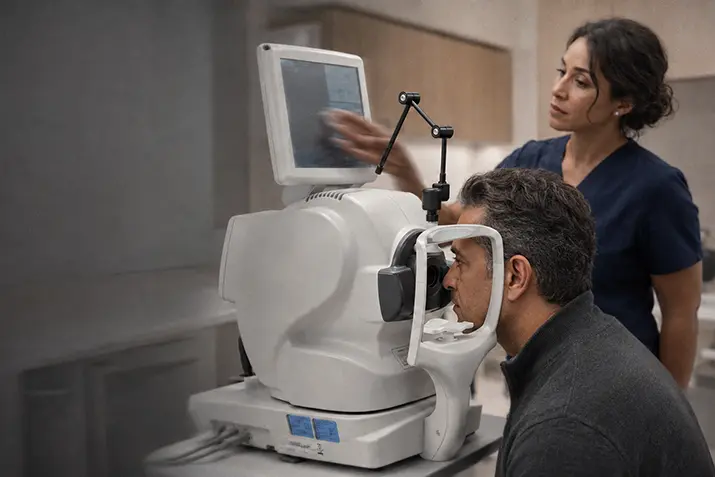
At metabolic.health, we’re redefining how cardiovascular disease (CVD) is detected, using AI-powered retinal scans to identify heart disease risks in under a minute. No hospital visits, no referrals—just a quick, non-invasive scan that could literally save your life.

eye-test

Your eyes hold the key to your heart health

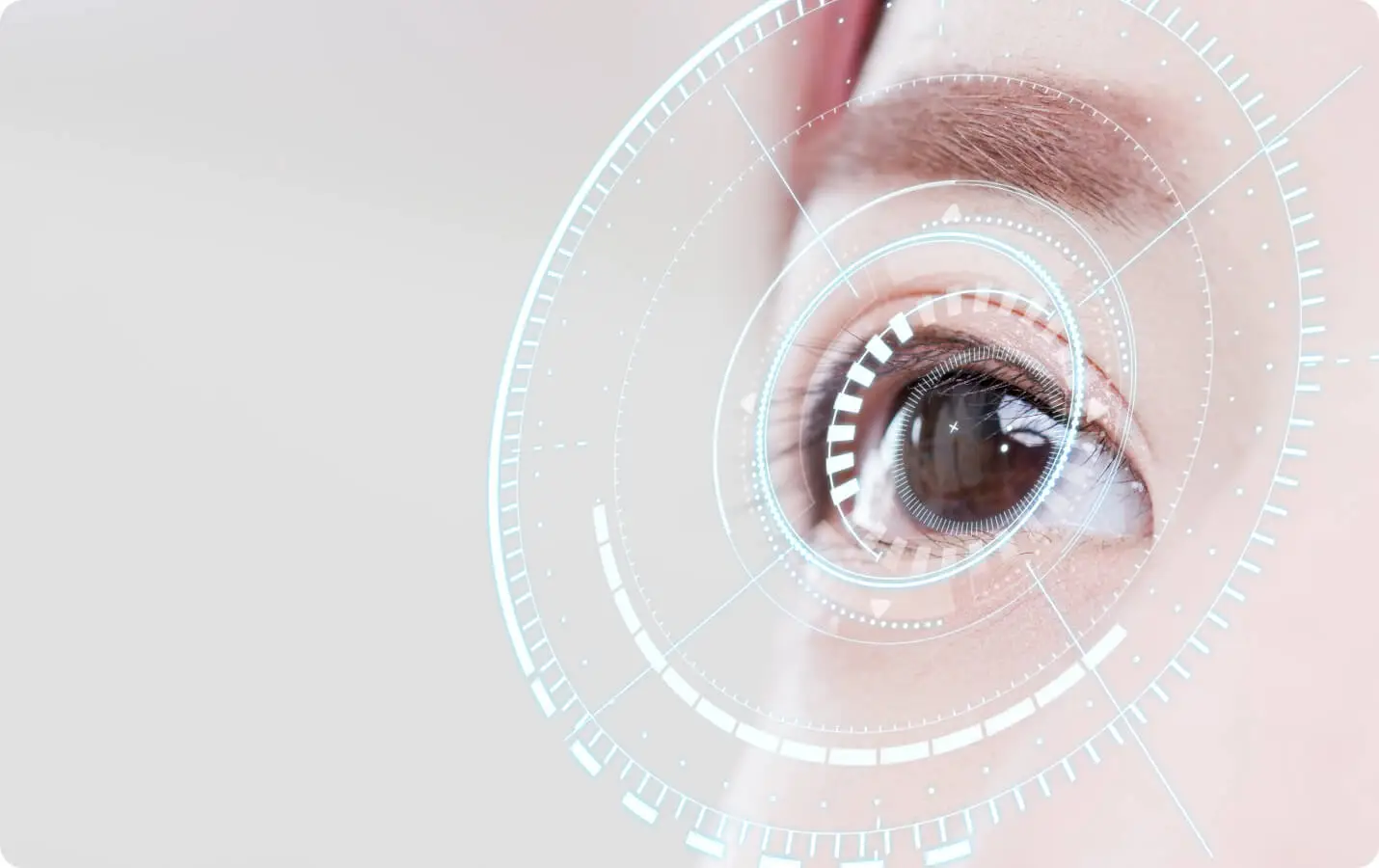
Most people don’t connect eye exams with heart disease. But your retina—where tiny blood vessels crisscross like a roadmap—actually reveals a lot about your cardiovascular health. Changes in these microvascular structures can signal arterial stiffness, high blood pressure, and even the early stages of heart disease.

Until now, detecting CVD risk meant undergoing Coronary Artery Calcium Scoring (CACS), a CT-based method that’s expensive, time-consuming, and not widely accessible. But our AI-powered retinoscan achieves a concordance index of 0.71—meaning it correlates strongly with these traditional methods, minus the hassle and cost.


eye-tracking 1
Snap a retinal image

Our AI system analyzes patterns in your eye’s blood vessels.

AI
Detect microvascular changes

Early warning signs of cardiovascular risk are flagged.

task
Get instant results

A Coronary Calcium Score comparable to one derived from Computed Tomography Scans (CT) is given

action 1
Take action early

Armed with this knowledge, you and your doctor can intervene before symptoms develop.

So, how does it work?

Why this could be a game-changer

Cardiovascular disease is the leading cause of death globally, yet many people don’t realize they’re at risk—especially when diagnostic barriers exist. This technology removes those barriers, offering a faster, more affordable, and accessible way to catch heart disease before it’s too late.


At metabolic, we’re not just improving heart disease detection—we’re revolutionizing how it’s prevented. And with outcomes data soon to be published, the future of cardiovascular care is closer than you think.